How to Store and Transport Seeds Safely Using the Right Bags
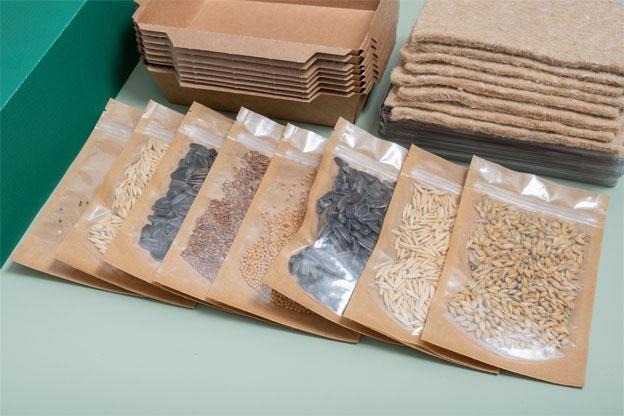
Proper seed storage and transportation are essential for protecting crop quality, maintaining germination rates, and ensuring successful planting seasons. Whether you’re a farmer, distributor, or agricultural supplier, using the right packaging plays a major role in preserving seed integrity. The right agricultural seed bags can shield seeds from moisture, pests, temperature changes, and handling damage—making them a critical part of modern farming logistics.
Why Seed Storage Matters
Seeds are sensitive biological materials. Exposure to humidity, sunlight, or contamination can dramatically reduce their viability. Improper storage can result in mold growth, weakened seed structure, and decreased germination rates. This is why farmers increasingly rely on durable agricultural seed bags specifically designed to create a protective barrier from environmental threats.
Choosing the Right Agricultural Seed Bags
When selecting seed packaging, keep the following features in mind:
1. Moisture Resistance
Seeds must stay dry to remain viable. Moisture-resistant agricultural seed bags help prevent humidity from seeping into the seeds during storage or transit. Polyethylene packaging, laminated bags, or foil-lined pouches work exceptionally well for moisture control.
2. Strength and Durability
Seeds can be heavy depending on the quantity. Look for bags with high tensile strength to prevent tearing during handling, stacking, or transportation. Woven polypropylene bags are a common choice in the agricultural industry thanks to their durability and load-bearing capacity.
3. Protection From Pests and Contaminants
Insects, rodents, and dust can quickly contaminate loose seeds. Agricultural seed bags with secure closures—such as heat seals, zip locks, or stitched tops—ensure the contents remain safe and uncontaminated throughout their journey.
4. UV Protection
Prolonged exposure to sunlight can reduce seed vitality. UV-stabilized seed bags help protect seeds during outdoor storage or long-distance transportation.
5. Breathability (When Needed)
Some seeds require minimal airflow to prevent moisture buildup. In such cases, breathable woven bags may be the best option. It’s important to match your bag material to the specific seed type and its storage needs.
Best Practices for Safe Seed Storage
Using the right bags is only the first step. Proper storage conditions are equally important:
- Store seeds in a cool, dry place away from direct sunlight.
- Use pallets or shelves to keep bags elevated off damp floors.
- Label each bag clearly with seed type, date, and batch number.
- Inspect storage areas regularly for signs of pests or leaks.
- Avoid frequent handling to minimize bag wear and tear.
Tips for Safe Seed Transportation
Transporting seeds safely requires sturdy packaging and proper handling techniques:
- Ensure bags are stacked securely to prevent crushing.
- Use bulk transport sacks or secondary containers for long-distance shipping.
- Protect seeds from rain, humidity, and extreme temperatures during transit.
- Train workers to lift and handle bags correctly to avoid damage.
Conclusion
High-quality agricultural seed bags are essential tools for protecting seed viability from storage to planting. By choosing durable, moisture-proof, and contamination-resistant bags—and by following smart storage and handling practices—you can preserve seed quality, reduce waste, and achieve better yields. Investing in the right packaging today ensures healthier crops and a more efficient farming system tomorrow.


-
OKR Best Practices 2026 for Setting Smarter Goals
Goal setting sounds simple until you are actually doing it. Everyone nods ... -
-