

Filtration and Moisture Separation Systems for Efficient Compressed Air Management
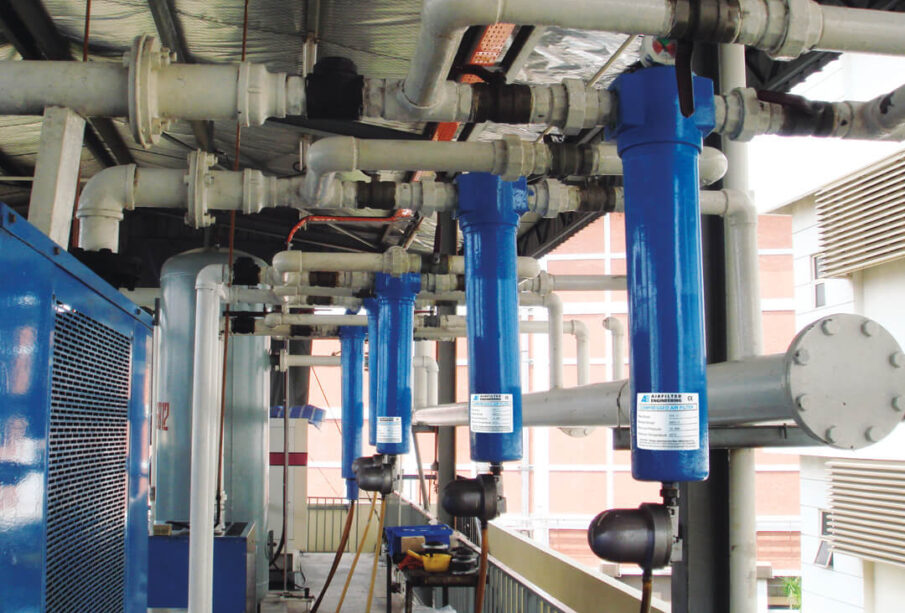
Compressed air only delivers value when it’s clean, dry, and stable under load; everything else inflates costs and shortens equipment life. Tiny particles, oil aerosols, and condensed water degrade seals, jam valves, and corrode lines, turning a reliable asset into a maintenance headache. This article explains the role of filtration and moisture separation in protecting compressors and downstream tools, with a focus on practical selection and upkeep. You’ll learn how different filter types function, where moisture separators add the most value, and how to balance purity targets with energy use. Along the way, we’ll reference real-world standards and operating tactics so you can apply them immediately, whether you run a single line or a multi-shift plant. If you’re evaluating upgrades, keep an eye on solutions from PneuTech and similar providers that integrate these elements into a coherent strategy for performance.
Why Air Filtration Is Critical for Compressor Longevity
Air compressors ingest more than air; they pull in dust, oil vapor, and humidity that transform into abrasive sludge under pressure. Inside the compressor, particulates accelerate wear on bearings and rotors, while oil aerosols combine with condensed water to form deposits that insulate heat-exchange surfaces and elevate operating temperatures. Higher heat stresses lubricants, oxidizes seals, and shortens the service life of critical components, making preventive filtration a direct lever on longevity. Downstream, any contamination that escapes can foul instrumentation, erode pneumatic tools, and create backpressure that forces the compressor to work harder. Effective systems treat air in stages, using Filtration And Moisture Separation to remove bulk liquid, scrub aerosols, and capture fine particulates before they become a reliability risk.
Hidden Costs of Contaminants
Contaminants impose costs that don’t appear immediately on a balance sheet. Pressure losses across dirty filters and clogged lines drive up energy consumption, often by several percentage points for every additional psi of drop. Untreated water accelerates corrosion, which sheds rust that then acts like sandpaper throughout the circuit. Oil mist can swell elastomers, stick valves, and contaminate end products, triggering quality holds or scrap. Adhering to appropriate ISO 8573-1 classes for particles, water, and oil keeps systems within known performance envelopes and minimizes these hidden penalties.
From Intake to Point of Use
Reliability begins at the intake, where a high-efficiency prefilter keeps dust out of the compressor, and continues through separators and coalescing filters that remove liquids and aerosols. Each stage has a job: bulk water separation after the aftercooler, coalescing filtration to capture aerosols down to submicron sizes, and particulate polishing to protect sensitive instruments. Placing the right technology in the right sequence prevents overloading any single component and reduces wear across the board. Monitoring differential pressure at each stage turns this protection into a controllable variable rather than a guessing game. With a staged approach, you extend compressor life, stabilize operating temperatures, and reduce unplanned downtime.
Types of Filters Used in Industrial Air Treatment
Industrial air treatment relies on a combination of filter media designed to capture different contaminant sizes and states. A one-size-fits-all element either wastes energy or fails to protect processes, so it’s crucial to specify based on particle distribution, oil content, and humidity. Good designs start with a particulate filter to catch rust, scale, and dust; follow with a coalescer to remove aerosols; then finish with an activated carbon stage if odor or vapor removal is required. Each stage is rated by efficiency and particle size, and performance depends on velocity, housing geometry, and maintenance discipline. When Filtration And Moisture Separation are coordinated, you achieve both purity and flow stability without oversized equipment.
Particulate, Coalescing, and Carbon
- Particulate filters: Typically rated from 5 to 25 microns, these elements protect against hard solids that sandblast components and clog orifices. Pleated media increase surface area, reducing pressure drop and extending service intervals.
- Coalescing filters: Using depth media and fiber matrices, these capture submicron aerosols and merge them into drainable droplets. High-efficiency grades can reach 0.01 micron and near-total oil aerosol removal when properly sized and drained.
- Activated carbon filters: These remove oil vapor and odors for applications where taste or smell matter, or where chemical residues must be minimized. They require dry, pre-filtered air to prevent media saturation.
Selecting Micron Ratings and Efficiency
Choosing micron ratings is about process needs and economics. For general pneumatic tools, a 5-micron particulate filter followed by a general-purpose coalescer is often sufficient; for instrumentation or painting, finer grades and vapor adsorption may be necessary. Look for beta ratios (capture efficiency) and initial pressure drops to understand real performance rather than just catalog nominal ratings. Housing design matters, too—tangential inlets, quiet zones, and proper bowl volumes improve separation and reduce re-entrainment. Providers such as PneuTech offer matched housings and elements that keep velocities within design limits, ensuring the published efficiencies translate into actual plant conditions.
How Moisture Separators Prevent Corrosion and Pressure Drops
Water is the most persistent enemy in compressed air systems because it condenses exactly when pressure and temperature conditions invite it. As air leaves the aftercooler, bulk liquid forms and, without a separator, floods filters, saturates media, and drags contaminants downstream. Moisture separators remove this bulk liquid, lowering the load on coalescing filters and minimizing pressure drop over time. By reducing the amount of water that contacts steel piping and valves, they also slow corrosion, which otherwise produces rust that compounds pressure losses and maintenance costs. Incorporating separators at strategic points protects both equipment and energy budgets.
Mechanisms That Make Separation Work
Modern separators rely on cyclonic action, vane packs, or mesh pads to generate inertial forces that fling droplets to the housing walls. The captured liquid drains through automatic valves, preventing re-entrainment and preserving the separator’s efficiency. Cyclone designs excel with high flow rates and variable loads, while vane-based units handle finer droplets and offer compact footprints. Regardless of the mechanism, stable flow and correctly sized drain valves are critical—undersized drains cause pooling, while failed drains turn the unit into a restriction. Integrating Filtration And Moisture Separation ensures that coalescers see mostly aerosol, not torrents of liquid that could bypass the media.
Placement and Sizing for Real-World Conditions
The best results come from pairing separators immediately downstream of aftercoolers and before refrigerated or desiccant dryers, where bulk liquid is most prevalent. Additional units at long ring mains or outdoor runs catch temperature-driven condensation before it accumulates. Sizing should account for maximum and transient flows; undersized units induce high velocities that carry droplets through, while oversized housings can allow entrained flow to short-circuit. Look for low initial pressure drop and turbulence controls that preserve separation efficiency across the operating envelope. A system approach—separator, coalescer, and timely draining—yields drier lines, fewer corrosion sites, and stable pressures even during peak demand.
Balancing Energy Efficiency With Air Purity Standards
Every filter and separator adds some resistance to flow, which means energy use rises if the system is poorly designed or neglected. The key is to meet the required ISO 8573-1 purity class at the lowest sustainable pressure drop. Selecting efficient media, right-sizing housings, and controlling velocities prevents excessive losses, while staged treatment limits the burden on any single element. Monitoring differential pressure and water load helps optimize changeout timing before energy penalties stack up. Solutions from PneuTech and similar vendors often include integrated gauges and drain monitoring to maintain purity without sacrificing efficiency.
Minimizing Pressure Drop Without Compromising Quality
Start by reducing the job each component must perform. A properly placed moisture separator strips bulk liquid, so the coalescer handles only aerosols, which dramatically reduces its pressure drop growth over time. Overspecifying micron ratings beyond process needs wastes energy; matching purity to the application protects throughput and quality without overspending. Use full-bore piping and gentle transitions to keep velocities moderate, especially at filter inlets and outlets. Finally, adopt filters with pleated or layered media that maintain high dirt-holding capacity while keeping initial resistance low.
Right-Sizing Ancillaries and Controls
Air dryers, drains, and receivers influence filtration performance and energy use. An adequately sized receiver damps flow spikes that otherwise surge through filters and inflate pressure drop. No-loss or zero-air-loss drains prevent compressed air wastage while ensuring liquids don’t accumulate in bowls. Smart controls that track dew point, differential pressure, and compressor performance tie purity and efficiency together so operators can act before problems escalate. When Filtration And Moisture Separation are integrated with these ancillaries, plants achieve stable purity at lower kW/CFM.
Best Practices for Filter Maintenance and Replacement
Even the best-designed system degrades without disciplined maintenance. Dirt load, oil carryover, and water exposure gradually increase differential pressure, making compressors work harder and eroding the margin between setpoint and minimum plant pressure. Establish a maintenance plan that pairs routine inspections with data-driven changeouts based on operating hours, pressure drop, and dew point. Keeping drains functional and bowls clean prevents re-entrainment, while spare elements on hand avoid extended downtime. Building maintenance around Filtration And Moisture Separation keeps uptime high, product quality consistent, and energy costs predictable.
Setting an Inspection Cadence
- Daily: Check auto drains for proper operation and verify no-loss drains aren’t bleeding air.
- Weekly: Inspect sight glasses for liquid accumulation and confirm pressure gauges return to expected levels after load changes.
- Monthly: Record differential pressure across each filter; trend data to spot rapid rises that indicate upstream issues.
- Quarterly or semiannual: Replace elements as they approach alarm thresholds and clean housings to remove sludge or biofilm.
These intervals should adjust to your environment—dusty or oily intakes shorten cycles, while clean indoor air and effective intake filters extend them.
Signs Your Filters Are Underperforming
Symptoms include creeping compressor run times, actuators that hesitate, and rising pressure setpoints needed to achieve the same production throughput. Visible oil downstream, odors, or frequent instrument fouling suggest overloaded or saturated elements. Dew point instability points to water carryover, often from failed drains or missing separators. Set DP alerts around 3–5 psi and enforce changeouts near 7–10 psi, depending on manufacturer guidance and process sensitivity. Vendors like PneuTech provide service kits and monitoring accessories that simplify adherence to these thresholds and keep systems in spec.
Ensuring Reliability in High-Demand Manufacturing Environments
High-duty, multi-shift plants push compressed air systems to their limits, exposing any weakness in sizing, sequencing, or maintenance. Demand surges create velocity spikes that can overwhelm marginal filters, while heat and humidity swings shift the condensation point and stress drains. Reliability under these conditions comes from redundancy, staged treatment, and instrumentation that turns guesswork into action. Strategic placement of moisture separators and coalescing filters near major consumers keeps contaminants from traveling far, minimizing plantwide disruptions. A holistic design built around Filtration And Moisture Separation gives production teams the stability they need to hit targets shift after shift.
Designing for Redundancy and Serviceability
Redundant filter banks and bypass loops allow element changes without stopping the line, a must for continuous operations. Larger housings with conservative face velocities maintain efficiency during peaks and prolong service life. Where space is tight, duplex configurations provide a compact path to redundancy. Quick-drain bowls, isolation valves, and clear labeling reduce service times and the chance of mistakes when maintenance windows are brief. Standardizing elements across the facility simplifies inventory and speeds response when loads spike unexpectedly.
Monitoring, Alarms, and Response Plans
Sensors for differential pressure, dew point, and flow convert operating conditions into manageable metrics. Alarms tied to defined limits cue operators to drain failures, saturated elements, or abnormal consumption that could signal leaks. Trending these data reveals seasonal patterns and the impact of process changes, enabling proactive adjustments in filter grades or separator placement. Documented response plans—who checks what, when, and how—ensure that alerts turn into prompt corrective actions rather than production bottlenecks. For plants pursuing continuous improvement, partnering with providers such as PneuTech helps align equipment capabilities with reliability goals and maintain compliance with internal quality standards.






-
A Practical Framework for Choosing Corporate Group Activities
Corporate activities are easiest to judge when the organiser starts with the ... -
-


