Maximizing Small Trade Show Booth Spaces Without Feeling Cramped
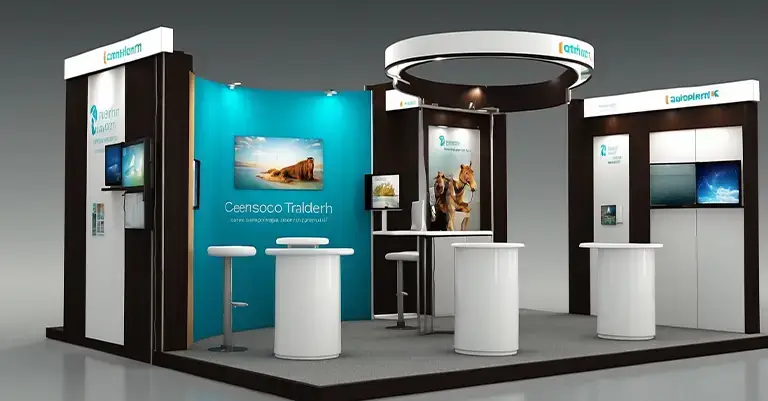
Trade shows are incredible opportunities to connect with prospects and grow your brand—but what if you’re working with a small booth space? Limited square footage can feel like a major challenge, but with smart design and planning, a small trade show booth can be just as impactful as a larger one.
The key is to maximize your space without making it feel cramped or cluttered. A well-designed small booth feels open, inviting, and professional, allowing you to engage visitors effectively and make a big impression.
Here are practical strategies to help you make the most of a small trade show booth while keeping it comfortable and functional.
1. Prioritize an Open Layout
In a small booth, every inch counts. Avoid overcrowding the space with bulky furniture or excessive displays.
- Use open layouts with minimal barriers so visitors can easily enter and exit.
- Position counters or tables along the perimeter rather than the center to keep the middle clear.
- Keep pathways wide enough for visitors to move freely without bumping into objects.
An open design creates the illusion of more space and makes your booth feel welcoming.
2. Choose Multi-Functional Furniture
When space is limited, furniture should work double duty.
- Opt for folding or stackable chairs that can be stored when not in use.
- Use counters that offer storage underneath to keep supplies and marketing materials out of sight.
- Consider display cases or shelving that serve both as product showcases and storage.
Multi-functional furniture reduces clutter and frees up floor space.
3. Use Vertical Space Wisely
Don’t just think horizontally—your booth’s vertical space is valuable real estate.
- Install tall banners or pop-up displays to showcase your brand and key messages.
- Use wall-mounted shelving for products or brochures.
- Hang your logo or signs high enough to be visible from afar without crowding the floor.
Maximizing vertical space draws attention upward and makes your booth stand out without taking up precious floor area.
4. Keep Visuals Simple and Impactful
In a small booth, too many visuals can overwhelm visitors and create a cluttered look.
- Choose one or two key graphics or messages that communicate your value clearly.
- Use bold, clean fonts and contrasting colors to ensure readability.
- Avoid overcrowding walls or banners with excessive text or images.
Simple, striking visuals make your brand message easy to understand at a glance.
5. Utilize Technology to Save Space
Technology can help you showcase more without needing physical space.
- Use tablets or touchscreen kiosks for interactive product demos or catalogs.
- Play looping videos on mounted screens to tell your brand story dynamically.
- Use digital brochures instead of physical handouts to reduce clutter.
Tech-savvy booths feel modern and engaging while saving valuable floor space.
6. Limit Your Product Display
Rather than trying to display everything, focus on a curated selection of your best or most relevant products.
- Highlight items that best demonstrate your value or are likely to spark conversations.
- Use clear, minimalistic display stands to keep the area tidy.
- Rotate products between trade shows to keep your display fresh without expanding your footprint.
Less is more when it comes to product displays in small spaces.
7. Employ Strategic Lighting
Proper lighting can open up your booth and make it feel larger.
- Use spotlights to highlight focal points and draw visitors’ attention.
- Incorporate soft, ambient lighting to create a warm, inviting atmosphere.
- Avoid harsh or overly bright overhead lighting that can make the space feel sterile.
Lighting adds depth and dimension, improving the overall perception of space.
8. Encourage Standing Conversations
Instead of relying on seating that takes up space, design your booth for quick, standing interactions.
- Use high counters or bar tables where visitors can comfortably chat without sitting.
- Keep materials handy so staff can easily demonstrate or hand out info without clutter.
Standing conversations keep traffic moving and allow you to engage more attendees.
9. Choose Lightweight, Portable Materials
Small booths often require quick setups and teardowns, so opt for materials that are easy to handle.
- Lightweight pop-up displays and banners are easy to transport and assemble.
- Collapsible furniture reduces packing space.
- Durable yet portable materials save on shipping and storage costs.
Efficiency in logistics frees up time and resources to focus on engagement.
Final Thoughts
Small trade show booths don’t have to feel cramped or limited. With thoughtful planning, smart furniture choices, effective use of vertical space, and strategic visuals, you can create a space that feels open, professional, and engaging.
Remember, your goal is to make visitors feel comfortable and clearly communicate your brand’s message. By maximizing every inch of your booth, you’ll stand out on the trade show floor—even in a smaller space. We recommend Trade Show Booth Designs.




-
Customizable CRM Features Supporting Better Sales Performance And Organization
Every business looks for simple ways to keep daily work organized while ... -
-